
Secure shopping

Indonesia Industry Reports
EMIS Insights, our proprietary research arm, provides comprehensive industry reports for Indonesia. Our network of locally based industry experts supplies analysis exclusive to EMIS customers.
Each report contains in-depth analysis of the sector’s importance for the Indonesia’s economy, detailed statistics and infographics. The report’s contents include executive summary, sector and subsector overviews, competitive and regulatory environment, as well as thorough company profiles of the top market players.
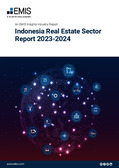
Indonesia's real estate sector takes a small share in the country's gross domestic product (GDP). In 2022 the sector continued to grow but at a pace slower than the economy and as a result the sector's contribution to the nominal GDP fell to 2.5% ...
View more details

The food and beverage (F&B) industry is one of the growth engines of Indonesia's manufacturing sector and economy. The strength of the F&B industry in Indonesia is supported by abundant natural resources and increasing domestic demand. A home to the ...
View more details
Indonesia is rich in metal resources, such as nickel, tin, copper and bauxite, providing a solid base for the development of its domestic metal processing industry. Another supportive factor is the government's ambitious infrastructure programmes ...
View more details
In recent years, Indonesia's construction sector has been mainly supported by the government's ambitious agenda for infrastructure development as the country seeks to improve and expand its connectivity network to reduce the development gap between ...
View more details
Indonesia is the largest market for two- and four-wheel vehicles in the ASEAN region, as well as the second-largest motor vehicle producer in the region. The automotive sector is an important driver of economic growth in Indonesia and it has been ...
View more details
Indonesia's insurance sector is underpenetrated compared to its regional peers, given its low density and penetration rates. With gross insurance premiums at 1.6% of GDP compared to Emerging Asia's average of 3.7%, and insurance density at USD 70 per ...
View more details