
Secure shopping

Energy and utilities
The Energy sector plays a pivotal role in economic and social development by supplying what might be described as the “flow of blood” to production and transportation systems. Its main objective is to ensure the reliable, affordable and clean energy needed by modern societies, thus contributing to well-being and prosperity around the globe.
The Energy sector involves the generation, transmission and distribution of electricity derived from a variety of sources, including fossil fuels, nuclear power and renewable sources. It also includes activities concerned with fuels themselves, which extend along the entire value chain, such as oil and gas extraction and transportation, coal mining, refining of petroleum products, and wholesaling and retailing of fuels.
Currently, 22% of total gross power generation in the Philippines comes from renewable energy sources, from 9.3 MW of installed capacity. According to the International Group of Liquified Natural Gas Importers, commercial depletion of the Mamplaya ...
View more details
ASEAN countries have set ambitious goals to transition away from fossil fuels. Under Phase II of the ASEAN Plan of Action for Energy Cooperation (APAEC), which covers the period from 2021 to 2025, the region has committed to achieving a 23% renewable ...
View more details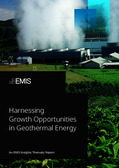
Renewable sources of energy account for some 30% of the power capacity mix and 20% of power generation in the Philippines. In 2023, at 3.75 GW, hydroelectric power was the largest renewable energy (RE) source in the country in terms of capacity, ...
View more details
The renewable energy sector in the countries forming the Association of Southeast Asian Nations (ASEAN) region is at a critical juncture. While there are strong policy commitments and a clear recognition of the region's vulnerability to climate ...
View more details