
Secure shopping

Banking and insurance
The Banking & Insurance sector – often referred to as the lifeblood of the real economy – is of vital importance in the modern credit-driven economic growth model. Among its functions are intermediation between savers and borrowers, ensuring funds are allocated efficiently; support of payment and settlement systems that facilitate trade and international economic relations; and provision of various products that mitigate risk and uncertainty. The accelerating pace of technological change, stricter regulation and shifting consumer habits are reshaping the traditional banking model and pushing the sector towards innovation-led growth.
Activities associated with Banking & Insurance are depositary and non-depositary credit intermediation and related activities, investment banking, securities brokerage, commodity contracts dealing and diverse financial investment activities. The sector also includes insurers, re-insurers and insurance brokerages, pension funds, health and welfare funds, monetary authorities, stock exchanges, and collection and credit agencies.
There are three geographical markets in Malaysia's electric power sector: Peninsular Malaysia, Sabah (including Labuan), and Sarawak. The primary utility provider in Peninsular Malaysia is Tenaga Nasional Bhd (TNB), while its counterparts in Sabah ...
View more details
Malaysia's pharmaceutical and healthcare sector is among the most advanced in Southeast Asia. Malaysia's healthcare system is divided into a taxpayer-funded and government-run system and a fee-paying private sector. The public system, overseen by the ...
View more details
Malaysia has substantial crude oil and natural gas reserves. The government established Petroliam Nasional Bhd (Petronas) in 1974 as the national oil corporation and owner and steward of the country's hydrocarbon deposits. Petronas has since ...
View more details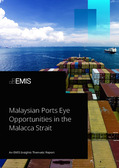

The Malaysian banking sector remained on a strong footing in 2024 on the back of healthy capital adequacy ratios and prudent lending practices. Banks improved their profitability and capital adequacy as the economy grew, driven by strong domestic ...
View more details
Several successive government administrations have committed to modernising and developing Malaysia's infrastructure sector. The country sees infrastructure development as a key driver of economic growth. Although small infrastructure projects are ...
View more details
Valued at USD 49.5bn in 2024, Malaysia's construction sector employed 1.4mn people or 8% of the country's labour force. Aside from attracting foreign investments, the sector is a force multiplier fuelling economic growth. In 2023, the construction ...
View more details
In 2023, Malaysia continued to consolidate its position as the third-largest four-wheel motor vehicle manufacturer (behind Thailand and Indonesia) and the second-biggest four-wheel motor vehicle market (behind Indonesia) in the ASEAN region. ...
View more details